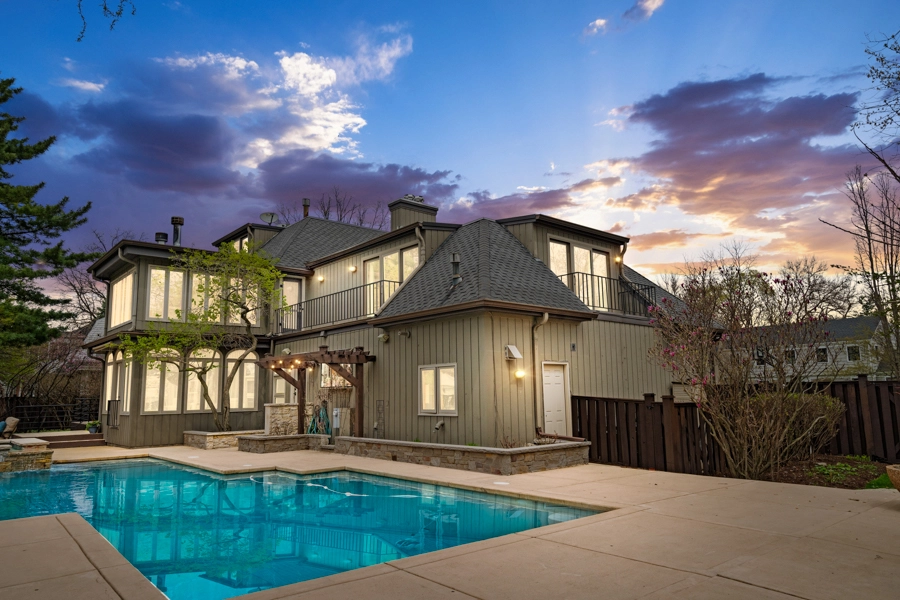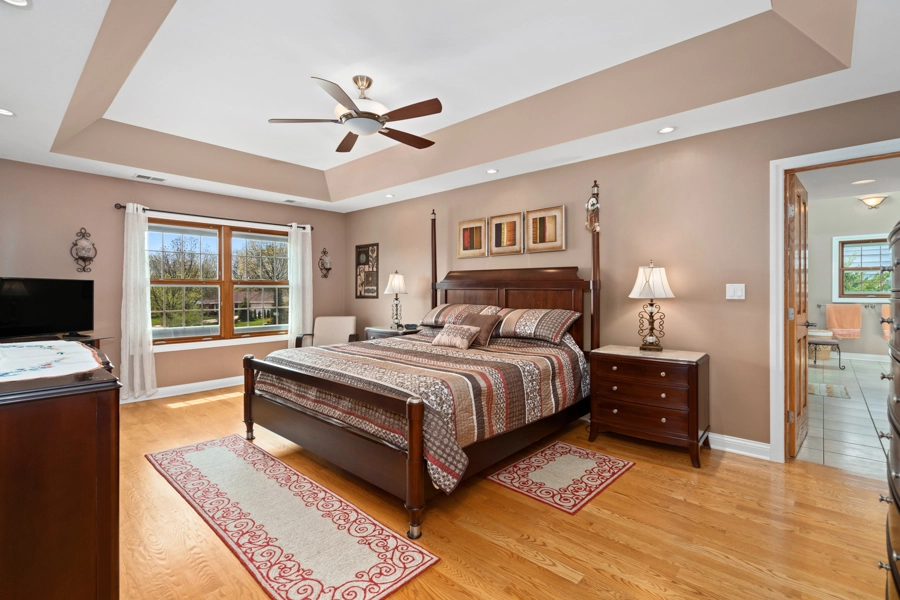
As the real estate market continues to evolve and become increasingly competitive, the demand for high-quality photography has never been greater. Prospective buyers rely heavily on visual representations of properties when making decisions, making it crucial for real estate professionals to invest in professional photography services. This article delves into the nuances of real estate photography pricing, providing a comprehensive overview of the factors that influence costs and strategies for determining fair and competitive rates.
Pricing table for real estate photo editing at PHOTO24H.COM
- HDR - $0.7
- TWILIGHT - $0.7
- FLASH - $0.8
- TIME: 8 - 24H
Item Removal
- Item Removal - ( $1 - $10 )
- TIME: 8 - 24H
$1
/ image
Video Editing
- Leng: 35-60 seconds ($35)
- Leng: 60-120 seconds ($60)
- TIME: 24H
- Dusk - $5
- Dusk (remove sun Shade - $8 )
- TIME: 8 - 24H
Virtual staging
- Virtual staging - $13
- 360 Virtual Staging - $20
- Renovation - $24
- TIME: 8 - 24H
Floor Plans
- 2D Black & White - $20
- 3D Full Color - $25
- TIME: 24H
Real Estate Photo Editing Prices
In the world of real estate photography, post-production editing plays a crucial role in delivering stunning, market-ready images. Photo editing services can range from basic color corrections and exposure adjustments to advanced techniques like virtual staging, image compositing, and HDR processing. The cost of photo editing varies depending on several factors:
Complexity of Edits
The level of complexity involved in editing a real estate photo can significantly impact the price. Basic edits such as cropping, color correction, and exposure adjustments typically fall on the lower end of the pricing spectrum. More advanced techniques like virtual staging, sky replacements, and image compositing can substantially increase the cost due to the time and expertise required.
Turnaround Time
Many real estate professionals require a quick turnaround on photo editing to ensure their listings are market-ready as soon as possible. Expedited services with shorter turnaround times often come at a premium price, as editors may need to prioritize these projects over others.
Volume of Images
The number of images that require editing can also affect the overall cost. Many photo editors offer package deals or discounted rates for larger volumes of images, as bulk processing can be more efficient than editing a few images at a time.
Level of Expertise
The experience and skill level of the photo editor can also influence pricing. Highly skilled professionals with specialized expertise in real estate photography and advanced editing techniques may command higher rates than those with more basic skill sets.
Examples and Pricing
- Basic photo editing (color correction, exposure, cropping): $1 – $5 per image
- Advanced editing (virtual staging, sky replacements, image compositing): $10 – $50 per image
- Expedited editing services (24-hour turnaround): Additional 25% – 50% of base price
- Package deals for large volumes (100+ images): Discounts of 20% – 30% on base rates
Image Quality Matters
While cost is certainly a consideration, it’s important to remember that high-quality real estate photography can significantly impact a property’s perceived value and marketability. Investing in professional photo editing services can help ensure that your listings stand out and attract potential buyers, ultimately leading to faster sales and higher returns on investment.
Cost of a Real Estate Photographer
Hiring a professional real estate photographer is an investment that can pay dividends in terms of attracting potential buyers and showcasing properties in the best possible light. However, determining the cost of a real estate photographer can be a complex process, as several factors come into play.
Property Type and Size
The size and complexity of the property being photographed are significant factors in determining the cost of a real estate photographer. Larger homes with multiple rooms, levels, and outdoor spaces will typically command higher fees than smaller, more straightforward properties. This is because larger properties require more time and effort to capture comprehensively.
Level of Service
Real estate photographers often offer different service levels, ranging from basic photo shoots to more comprehensive packages that may include drone photography, twilight shots, virtual tours, or even video production. The more services included, the higher the overall cost.
Photographer’s Experience and Reputation
Experienced and well-established real estate photographers with an impressive portfolio and strong reputation in the industry will typically charge higher rates than those just starting out or with less experience. Clients are often willing to pay a premium for the expertise and professionalism of a seasoned photographer.
Location and Travel Expenses
If the photographer needs to travel a significant distance to reach the property, additional travel expenses, such as mileage or accommodation costs, may be factored into the overall price. Photographers in urban areas with higher costs of living may also charge more than those in rural or less expensive regions.
Pricing Models
Real estate photographers employ various pricing models, including:
- Flat Rate: A fixed fee for the entire photo shoot, regardless of the property size or complexity.
- Per-Image Rate: A fee charged for each individual image delivered to the client.
- Package Pricing: Bundled services offered at a discounted rate compared to individual pricing.
- Hourly Rate: A fee based on the time spent on-site, including setup and photography.
Examples and Pricing
- Basic photo shoot (up to 1,500 sq. ft.): $150 – $300
- Mid-range photo shoot (1,500 – 3,000 sq. ft.): $300 – $600
- Luxury home photo shoot (3,000+ sq. ft.): $600 – $1,500+
- Additional services (drone photography, virtual tours, etc.): $100 – $500+
- Travel expenses: Mileage fees, accommodation costs (if applicable)
It’s essential to communicate your specific needs and requirements to potential photographers to ensure accurate pricing and avoid any surprises or misunderstandings.
Real Estate Pictures Cost
In the competitive real estate market, high-quality photography is a crucial element in attracting potential buyers and showcasing properties in their best light. The cost of real estate pictures can vary significantly depending on several factors, including the photographer’s experience, the property’s size and complexity, and the level of service required.
Photographer’s Experience and Reputation
One of the most significant factors influencing the cost of real estate pictures is the photographer’s experience and reputation. Experienced photographers with a proven track record and a strong portfolio will typically charge higher rates than those just starting out or with less experience in the field.
Property Type and Size
The size and complexity of the property being photographed play a significant role in determining the cost of real estate pictures. Larger homes with multiple rooms, levels, and outdoor spaces will generally command higher fees than smaller, more straightforward properties. This is because larger properties require more time and effort to capture comprehensively.
Level of Service
Real estate photographers often offer different service levels, ranging from basic photo shoots to more comprehensive packages that may include drone photography, twilight shots, virtual tours, or even video production. The more services included, the higher the overall cost.
Pricing Models
Real estate photographers employ various pricing models, including:
- Flat Rate: A fixed fee for the entire photo shoot, regardless of the property size or complexity.
- Per-Image Rate: A fee charged for each individual image delivered to the client.
- Package Pricing: Bundled services offered at a discounted rate compared to individual pricing.
- Hourly Rate: A fee based on the time spent on-site, including setup and photography.
Examples and Pricing
- Basic photo shoot (up to 1,500 sq. ft.): $150 – $300
- Mid-range photo shoot (1,500 – 3,000 sq. ft.): $300 – $600
- Luxury home photo shoot (3,000+ sq. ft.): $600 – $1,500+
- Additional services (drone photography, virtual tours, etc.): $100 – $500+
- Travel expenses: Mileage fees, accommodation costs (if applicable)
It’s essential to communicate your specific needs and requirements to potential photographers to ensure accurate pricing and avoid any surprises or misunderstandings.
How Much is Real Estate Photography?
Real estate photography is a specialized service that plays a crucial role in the marketing and sale of properties. The cost of real estate photography can vary depending on several factors, including the photographer’s experience, the property’s size and complexity, and the level of service required.
Photographer’s Experience and Reputation
One of the most significant factors influencing the cost of real estate photography is the photographer’s experience and reputation. Experienced photographers with a proven track record and a strong portfolio will typically charge higher rates than those just starting out or with less experience in the field.
Property Type and Size
The size and complexity of the property being photographed play a significant role in determining the cost of real estate photography. Larger homes with multiple rooms, levels, and outdoor spaces will generally command higher fees than smaller, more straightforward properties. This is because larger properties require more time and effort to capture comprehensively.
Level of Service
Real estate photographers often offer different service levels, ranging from basic photo shoots to more comprehensive packages that may include drone photography, twilight shots, virtual tours, or even video production. The more services included, the higher the overall cost.
Pricing Models
Real estate photographers employ various pricing models, including:
- Flat Rate: A fixed fee for the entire photo shoot, regardless of the property size or complexity.
- Per-Image Rate: A fee charged for each individual image delivered to the client.
- Package Pricing: Bundled services offered at a discounted rate compared to individual pricing.
- Hourly Rate: A fee based on the time spent on-site, including setup and photography.
Examples and Pricing
- Basic photo shoot (up to 1,500 sq. ft.): $150 – $300
- Mid-range photo shoot (1,500 – 3,000 sq. ft.): $300 – $600
- Luxury home photo shoot (3,000+ sq. ft.): $600 – $1,500+
- Additional services (drone photography, virtual tours, etc.): $100 – $500+
- Travel expenses: Mileage fees, accommodation costs (if applicable)
It’s essential to communicate your specific needs and requirements to potential photographers to ensure accurate pricing and avoid any surprises or misunderstandings.
Real Estate Photography Pricing Near Me
Finding a reputable and affordable real estate photographer in your local area can be a challenge. While pricing can vary based on several factors, it’s essential to understand the local market rates and what services are typically included in different pricing packages.
Researching Local Photographers
One of the best ways to determine real estate photography pricing near you is to research local photographers and their service offerings. Here are some steps you can take:
- Check Online Directories: Websites like Google, Yelp, and local business directories often list real estate photographers in your area, along with their pricing and service details.
- Browse Photographer Websites: Many real estate photographers maintain their own websites, where they outline their pricing structures, packages, and sample work.
- Ask for Referrals: Reach out to local real estate agents, brokers, or industry professionals for recommendations on reputable and reasonably priced real estate photographers in your area.
Understanding Local Market Rates
Once you’ve identified a few potential real estate photographers, it’s essential to understand the local market rates and what services are typically included in different pricing packages. Here are some factors to consider:
- Property Types: The size and complexity of properties in your area can influence pricing. For example, photographers may charge more for luxury homes or properties with extensive outdoor spaces.
- Service Levels: Determine if the pricing includes basic photo shoots or more comprehensive services like drone photography, virtual tours, or video production.
- Travel Expenses: If the photographer needs to travel a significant distance to reach your property, additional travel expenses may be factored into the pricing.
Negotiating and Comparing Quotes
After researching and collecting quotes from various real estate photographers in your area, it’s essential to compare their offerings and negotiate if necessary. Here are some tips:
- Compare Apples to Apples: Ensure you’re comparing similar service levels and packages when evaluating quotes from different photographers.
- Negotiate Package Deals: Many photographers may be open to offering package deals or discounted rates for bundled services.
- Discuss Payment Terms: Clarify payment terms, such as upfront deposits, installment plans, or post-delivery payments, to find an arrangement that works for both parties.
Remember, while pricing is an important consideration, it’s also crucial to assess the photographer’s portfolio, expertise, and professionalism to ensure you receive high-quality real estate photography services that effectively showcase your property.
Conclusion
Real estate photography pricing can be a complex and multifaceted topic, with various factors influencing the costs involved. From the photographer’s experience and reputation to the property’s size and complexity, as well as the level of service required, each aspect plays a role in determining the final price.
By understanding the different pricing models, researching local market rates, and communicating clearly with potential photographers, real estate professionals can find the perfect balance between cost and quality. Investing in professional real estate photography services can be a game-changer, as high-quality visuals are essential for attracting potential buyers and showcasing properties in their best light.
Ultimately, the cost of real estate photography should be viewed as an investment that can yield significant returns in terms of faster sales, higher property values, and a competitive edge in the ever-evolving real estate market.